
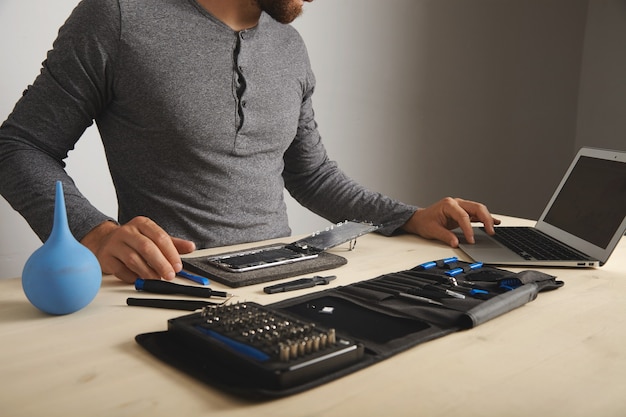
In today’s fast-paced world, personal computers have become essential tools for both work and leisure. They store valuable information, connect us to the digital world, and make daily tasks more manageable. However, like any tool, a computer needs proper care to function optimally. Regular PC maintenance tips are crucial to ensure that your device remains fast, secure, and reliable for years to come. Fortunately, personal computer upkeep doesn’t have to be a daunting task. With just a few simple habits and proactive steps, you can keep your computer running smoothly without any hassle.
1. Keep Your Software Up to Date
One of the simplest yet most effective ways to maintain your computer is to regularly update its software. Whether it’s your operating system, antivirus software, or third-party applications, updates often include crucial security patches, bug fixes, and performance improvements. Ignoring updates can leave your system vulnerable to cyber threats and may even cause your computer to lag or crash.
Enabling automatic updates for both your operating system and apps is an easy way to ensure that you’re always running the latest versions. By staying on top of updates, you can prevent issues before they arise, improving both security and performance. Essential computer care starts with keeping everything up to date.
2. Perform Regular Disk Cleanup
Over time, your computer accumulates unnecessary files, such as browser caches, system logs, and temporary files, that take up valuable storage space and slow down your system. Running a disk cleanup is a quick way to free up space and improve performance. Most operating systems come with built-in tools to help you do this easily.
For Windows users, the Disk Cleanup utility will scan your system for files that can be safely deleted, including temporary files, old system restore points, and downloaded program files. On macOS, you can use the Optimize Storage feature to remove old files and reduce clutter. This simple step is part of good personal computer upkeep, and it helps keep your PC running efficiently.
3. Defragment Your Hard Drive
If you’re using a traditional hard disk drive (HDD), defragmenting it regularly can help improve your computer’s speed. Fragmentation occurs when files are broken up into smaller pieces and scattered across the drive, leading to slower data retrieval. By running a defragmentation tool, you can reorganize the data, making it easier for your computer to access and load files quickly.
Windows users can easily defragment their hard drive using the Optimize Drives tool, which automatically schedules periodic defrags. For macOS users, however, defragmentation is generally not necessary, as macOS handles fragmentation efficiently. If you have a solid-state drive (SSD), defragmentation is not recommended, as it doesn’t improve performance and can actually shorten the drive’s lifespan.
4. Clean Your Computer Physically
While it may be easy to forget, cleaning your computer physically is just as important as maintaining it digitally. Dust and dirt can accumulate inside your computer, especially in the vents and cooling fans, which can lead to overheating and performance issues. Regularly cleaning your computer will help prevent these problems and extend its lifespan.
To clean your computer, start by turning it off and unplugging it. Use a can of compressed air to blow dust out of the keyboard, vents, and ports. Be gentle when cleaning the screen and keyboard with a microfiber cloth to avoid scratches. PC maintenance tips like this are simple yet effective in preventing heat buildup and keeping your computer running efficiently.
5. Protect Against Viruses and Malware
No matter how well you maintain your hardware and software, without proper protection, your computer can fall prey to viruses, malware, and other malicious threats. Installing a reputable antivirus program is a vital step in safeguarding your device and data. A good antivirus will scan your computer for threats and protect you from harmful software that can slow down your system or steal personal information.
It’s also important to be cautious when downloading files or clicking on links. Phishing attacks and malicious downloads are common ways that malware spreads, so always verify the source of any file or link before opening it. Keeping your antivirus software updated and running regular scans will help you maintain your PC easily, ensuring a secure computing experience.
6. Monitor System Performance
If you notice that your computer is running slowly or experiencing crashes, it may be time to monitor its performance. Both Windows and macOS offer built-in tools to track resource usage and identify potential issues. On Windows, the Task Manager allows you to see which processes are consuming the most memory or CPU power, while macOS provides a similar tool called Activity Monitor.
By checking the performance of your system, you can identify which applications or processes are causing slowdowns. If a program is using excessive resources, you can close it or even uninstall it to free up space and memory. This proactive approach to personal computer upkeep will keep your system performing at its best.
7. Backup Your Data Regularly
One of the most important aspects of computer maintenance is ensuring your data is safe. Hard drives can fail unexpectedly, and computers can be lost or stolen. Having a reliable backup system in place is essential for protecting your files from data loss.
There are various ways to back up your data, including using an external hard drive, cloud storage services, or automated backup software. For example, Windows Backup or Time Machine on macOS can automatically back up your files to an external device or cloud service. Regular backups will provide peace of mind and allow you to restore your files quickly if something goes wrong.
8. Keep Your Computer Cool
Overheating is a common problem for personal computers, especially if you use them for heavy tasks like gaming or video editing. Prolonged heat exposure can cause internal components to wear out faster, leading to potential system failures. To maintain your PC easily, ensure that your computer is in a well-ventilated area and that air can flow freely through its cooling vents.
If you’re using a laptop, consider purchasing a cooling pad to help reduce heat buildup. For desktop computers, make sure the fans are functioning properly, and consider adding additional cooling systems if necessary. Keeping your computer cool is an often-overlooked but crucial part of essential computer care.
Conclusion
Regular PC maintenance tips are essential for ensuring that your computer remains fast, secure, and reliable. By staying on top of software updates, cleaning your system, protecting against viruses, and backing up your data, you can keep your personal computer in excellent working condition for years. Implementing these straightforward steps into your routine will help maintain your PC easily, save you time, and ultimately allow you to get the most out of your device. Whether you’re a casual user or a heavy multitasker, consistent maintenance is key to enjoying a smooth and efficient computing experience.
